
The Port Chicago Sailors:
Courage, Sacrifice, and Justice
☗Summary: On August 9, 1944, following a deadly explosion at the Port Chicago Naval Magazine, 258 Black American enlisted men protested the injustices of racial segregation and hazardous working conditions in the United States Navy. Their act of defiance resulted in the largest mass mutiny trial in naval history, highlighting the injustices of Jim Crow segregation and paving the way for the Navy’s desegregation.
World War II
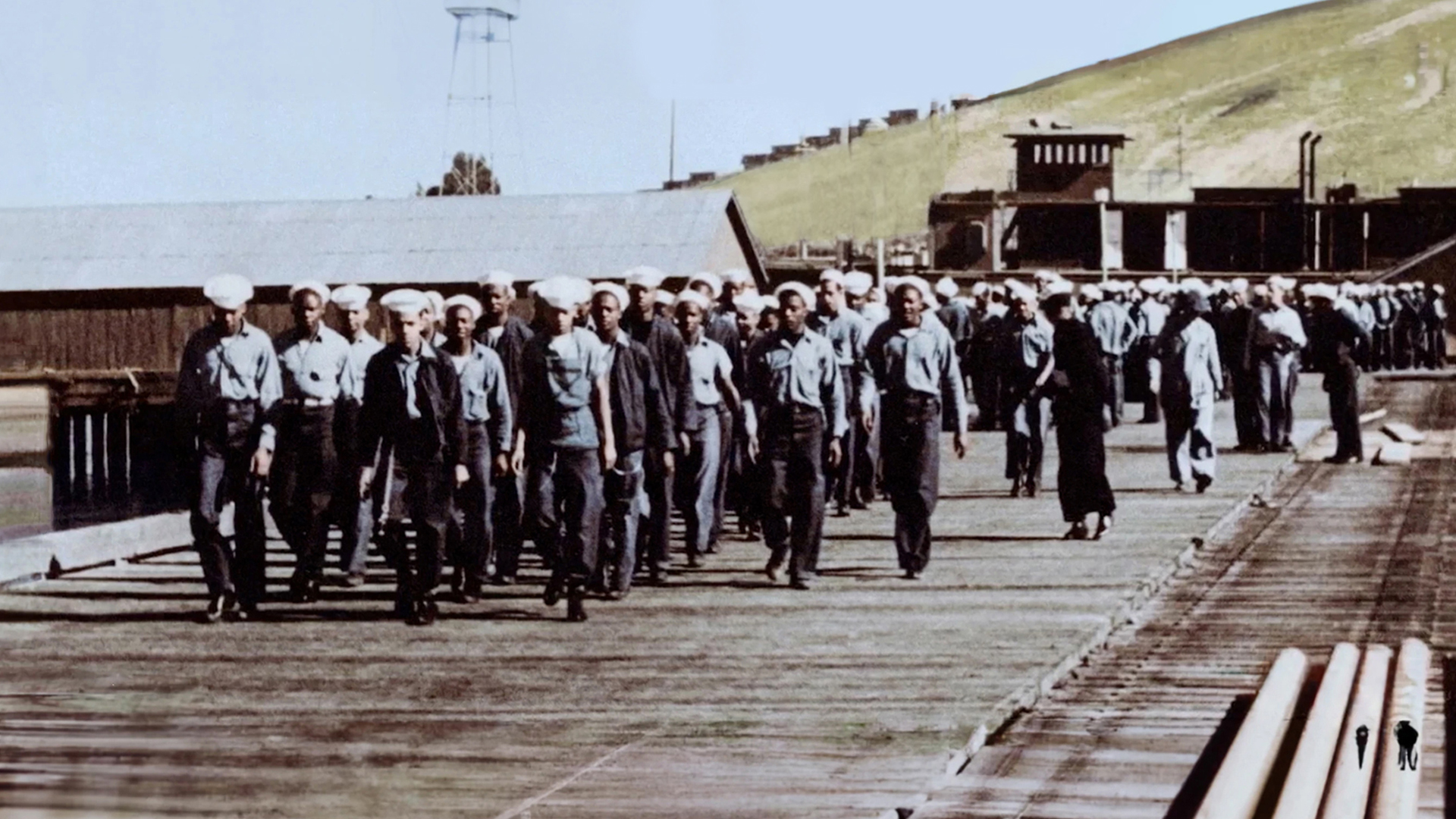
During World War II, over a million Black Americans served in the military, which at that time was racially segregated. In the Navy, Black Americans were often assigned the most grueling, dangerous, and labor-intensive jobs with limited opportunities for advancement or recognition.At Port Chicago Naval Magazine, near Concord, California, 30 miles northeast of San Francisco, Black Sailors were exclusively assigned the hazardous task of loading bombs and ammunition onto cargo ships. They received no formal training, yet naval commanders prioritized speed over safety, even betting on which division could load the fastest. Sailors repeatedly raised concerns about safety, but their warnings, along with those from the Coast Guard and the local Port Director, were dismissed.
The Port Chicago Disaster
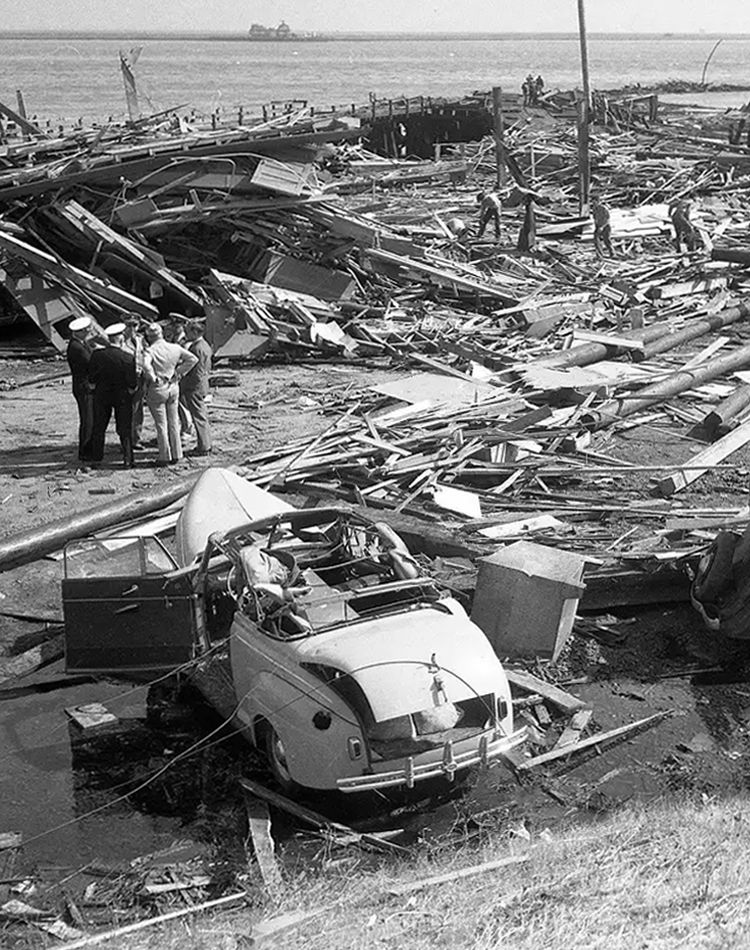
On July 17, 1944, as two naval cargo ships were being loaded, a catastrophic explosion obliterated both vessels. The explosions instantly killed everyone within 1000 feet, including 320 servicemen, merchant marines, and civilian contractors. All those loading munitions at the time of the explosion were Black Americans, accounting for almost two thirds of the dead and amounting to 15% of all Black American military deaths during World War II.
Uncover the profound impact the disaster had on the Navy and the community of Port Chicago.
An in-depth look at the pivotal moment when the Sailors risked everything to demand safety and justice.
It was the deadliest home front disaster of World War II.
Immediately after the explosion, amidst the tragedy and chaos, hundreds of surviving Black Sailors displayed exceptional courage, going above and beyond the call of duty to assist the injured and contain the damage caused by the blasts.
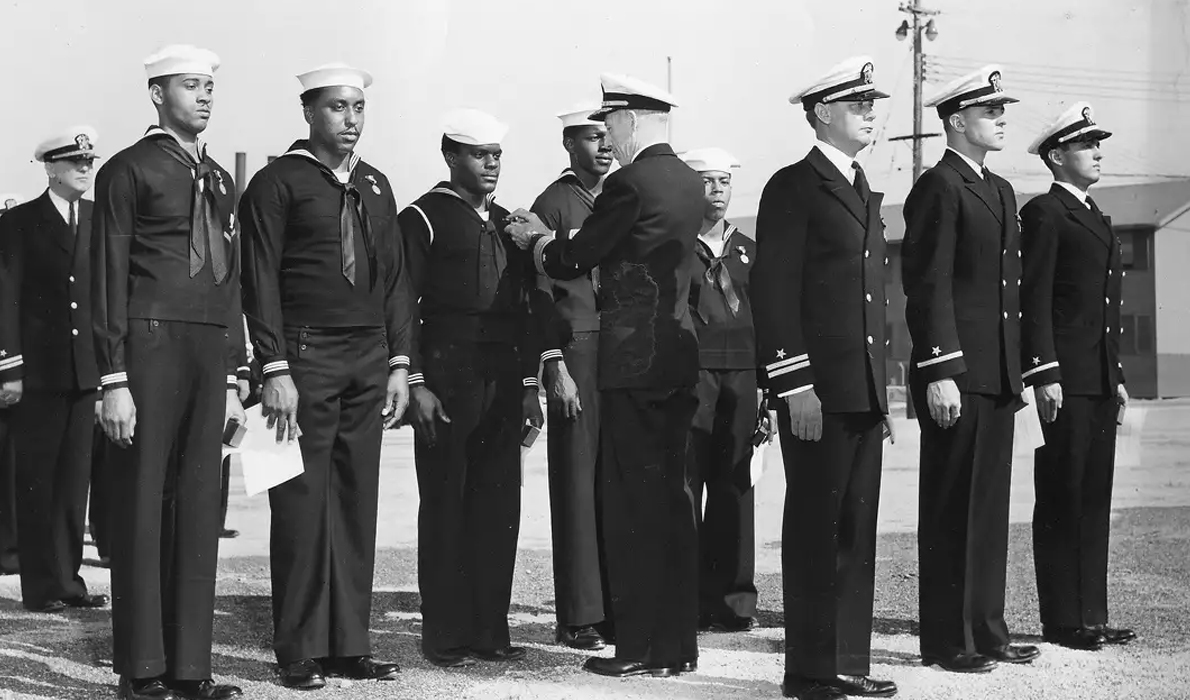
The Navy commended nearly 200 Black Sailors for their courage during rescue efforts, recognizing their actions as being “in accordance with our Service’s highest traditions.”
The Port Chicago Protest
Following the explosion, White officers were granted time off, while the surviving Black Sailors were ordered to clean up the naval base, including the grim task of recovering the remains of their fallen shipmates.
Just three weeks after the explosion, and before an official investigation could
determine its cause, hundreds of Black Sailors were ordered back to handling explosives with no additional safety measures or training, and no asurances that leadership would begin enforcing safety regulations.
In an act of protest, 258 Sailors spontaneously objected. They were subsequently imprisoned on a barge, where they were held for three days.
Faced with the threat of execution, 208 Sailors returned to duty, but fifty men — now known as The Port Chicago 50 — stood firm and were charged with conspiring to commit mutiny.
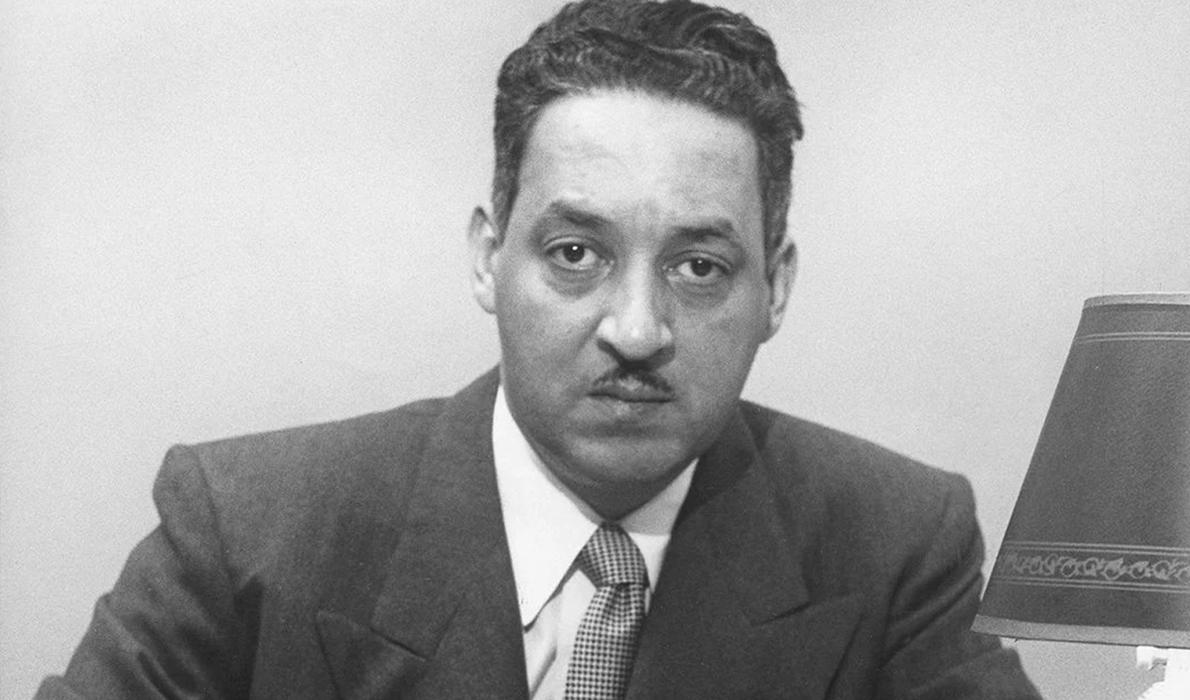
“This is not 50 men on trial for mutiny, this is the Navy on trial for its whole vicious policy toward Negroes."
- Thurgood Marshall
Future Supreme Court Justice Thurgood Marshall, who was then a young civil rights attorney for the NAACP, interviewed the Sailors, attended the trial, and publicly denounced the proceedings as unjust.
His outspoken advocacy garnered widespread support for the Port Chicago Sailors, including from First Lady Eleanor Roosevelt. Nevertheless, the young men were convicted and sentenced to 15 years in prison.
The Fight for Justice
Marshall called for a formal government investigation into Port Chicago. His interviews with the Sailors provided the foundation for a widely circulated pamphlet that rallied thousands of signatures demanding their release and the end of segregation in the Navy.In April of 1945, on behalf of the fifty Sailors, Marshall directly appealed the case to the Navy’s Judge Advocate in Washington, D.C. Although his appeal was officially rejected, a private letter from the Sailors’ corrections facility revealed that the Navy planned to reverse its decision to imprison the Port Chicago 50, while intentionally withholding “credit” from "civilian organizations" like NAACP for their advocacy efforts.
On January 9, 1946, the Sailors were discreetly released from prison. Just one month later, in February 1946, following intense public pressure initiated by the Port Chicago protest, subsequent protests, and a public appeal campaign, the Navy became the first branch of the military to end racial segregation.
Explore the pivotal role of Thurgood Marshall in advocating for the Port Chicago 50 and his relentless fight to desegregate the military.
Examine the trial of the Port Chicago 50, a stark example of Jim Crow justice that captivated the nation.
Legacy of Heroism
In their lifetimes, the men of Port Chicago carried an undeserved burden of shame, their reputations tarnished by a system that not only failed to acknowledge the injustice they endured but also vilified them for protesting illegal working conditions and racial discrimination.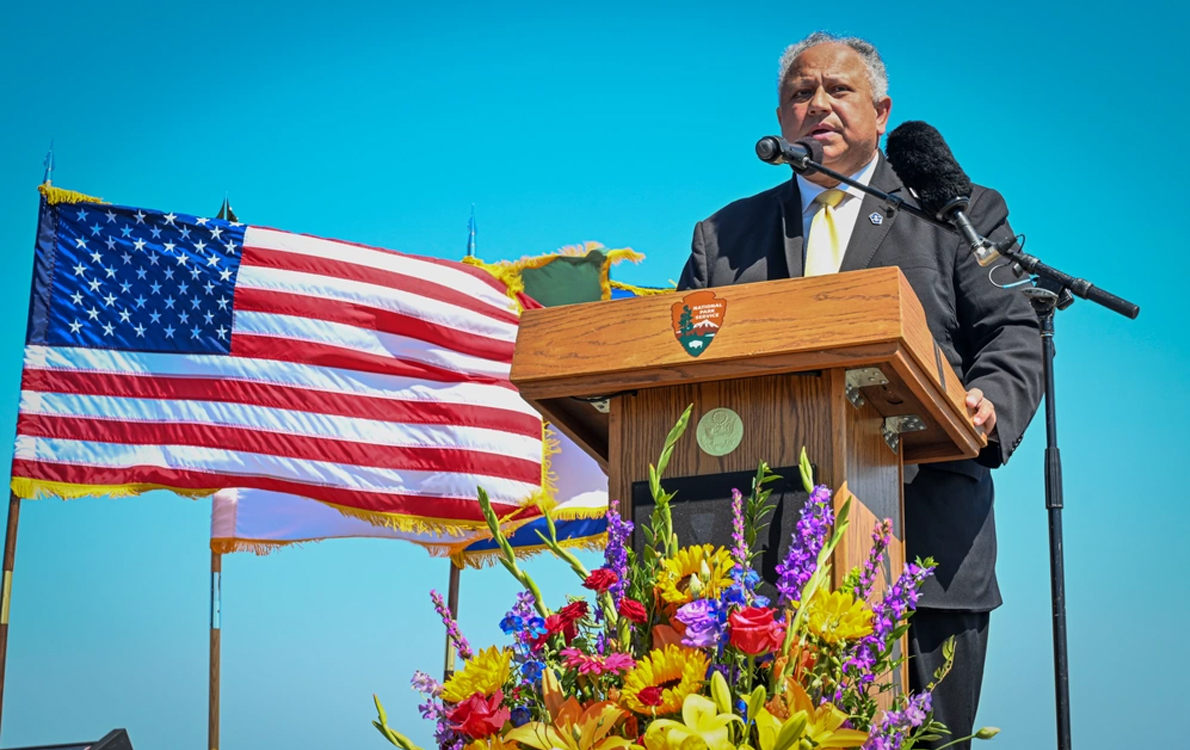
In 2024, on the 80th anniversary of the Port Chicago disaster, the Navy took an historic step to right this wrong. The Navy officially exonerated the Port Chicago Sailors, clearing their records of all wrongdoing. While none of the Sailors were alive to witness this moment, the nation at last honored their courage and recognized their enduring legacy as pioneering champions in the fight for civil rights. ⚑
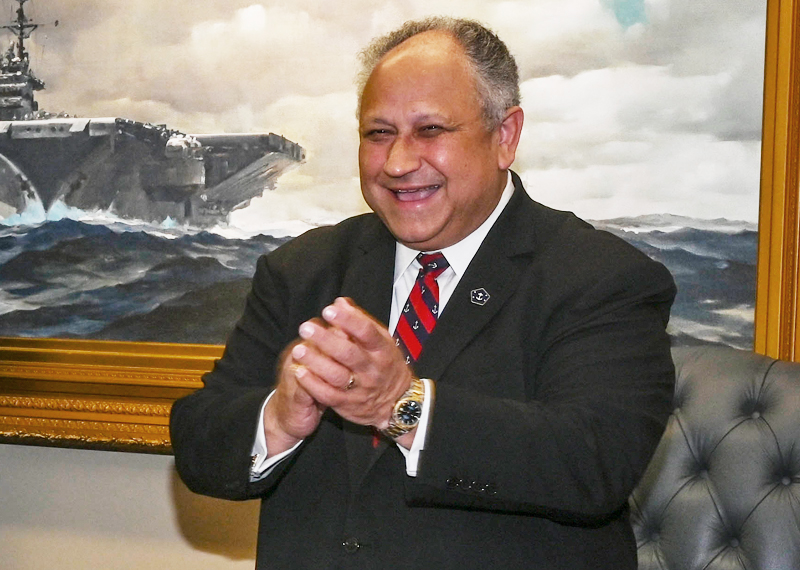
“The Port Chicago 50, and the hundreds who stood with them, may not be with us today, but their story lives on, a testament to the enduring power of courage and the unwavering pursuit of justice."
- Secretary of the Navy, Carlos Del Toro
Learn about the historic exoneration of the Port Chicago Sailors.
Explore decades of local advocacy to honor the legacy of the Port Chicago Sailors.
Related posts
-
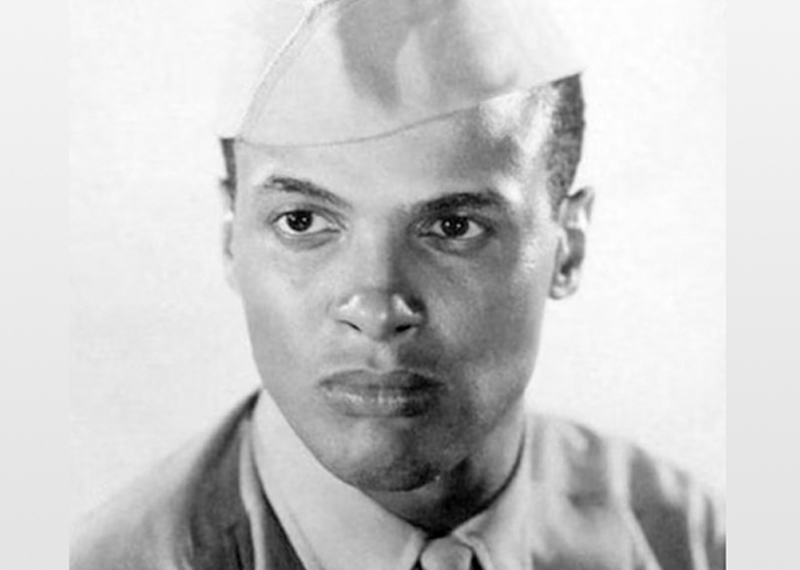
Remembering Harry Belafonte
Port Chicago Sailor harry Belafonte was witness to the aftermath of the Port Chicago disaster.
-
Navy Exonerates Port Chicago Sailors
The Secretary of the Navy announced the full exoneration of 256 defendants of the 1944 Port Chicago incident.
-
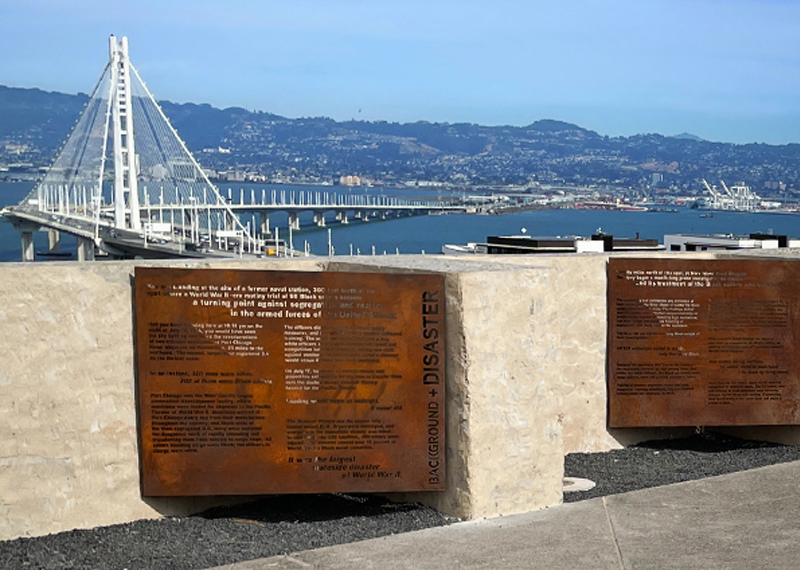
Port Chicago Panels Revealed
Monuments revealed at Panorama Park on Yerba Buena Island.