
By Port Chicago Alliance

The Tri-Valley's WWII Legacy: Fleet City and Its Heroes

During World War II, the San Francisco Bay Area became one of the most vital military regions in the United States. Shipyards, naval magazines, training centers, and medical facilities operated around the clock, supporting the enormous effort required to sustain the war in the Pacific. While waterfront installations such as Mare Island and Treasure Island are widely recognized for their wartime contributions, another massive naval complex once operated in the Tri-Valley region of the East Bay — helping prepare and support thousands of service members who would serve across the Pacific Theater.

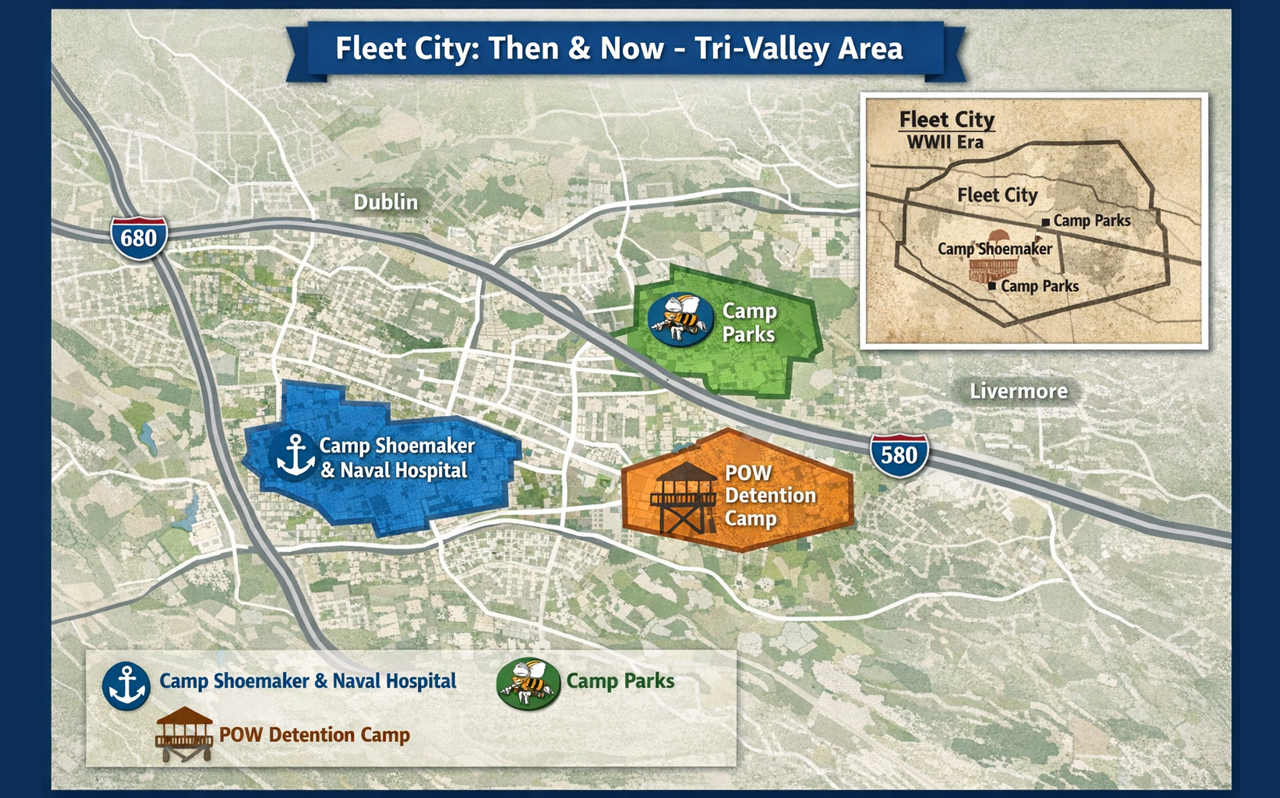
Known as Fleet City, this sprawling wartime installation once stretched across what is now Dublin, Pleasanton, and Livermore. Though the buildings have largely disappeared, Fleet City remains an important chapter in the region’s World War II history and its connection to the broader Bay Area naval network, including Port Chicago.

Building a Wartime City
Constructed in 1943, Fleet City quickly became the Navy’s largest inland military installation. Designed to support the tremendous flow of personnel moving through the Pacific Fleet, the complex served as a logistical, training, and medical hub that strengthened the Navy’s ability to operate across the globe.

Fleet City included several major facilities:

• Camp Shoemaker (Pleasanton) – The Navy’s primary West Coast Personnel and Distribution Center
• Camp Parks (Dublin) – A major training site for Navy Seabees who built airfields, bases, and critical infrastructure for the war
• Naval Hospital Shoemaker (Pleasanton) – A large medical center that treated tens of thousands of wounded
• Prisoner-of-War Detention Facility – Supporting wartime security and operations

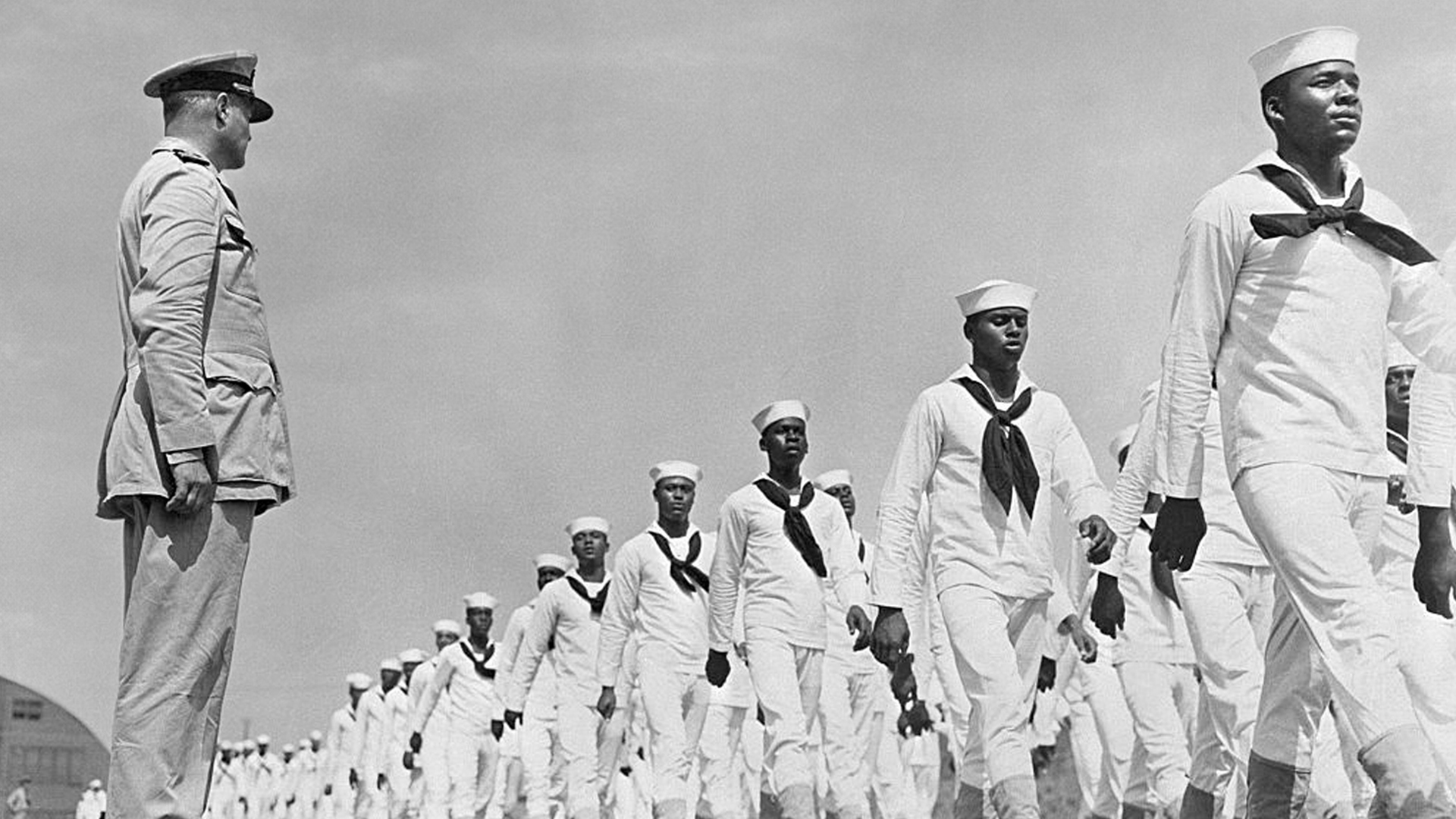
At its peak, tens of thousands of Sailors, Seabees, medical staff, and support personnel lived, trained, recovered, or processed through Fleet City before deploying overseas. Their service helped sustain the supply lines and operational readiness that were essential to Allied success in World War II.

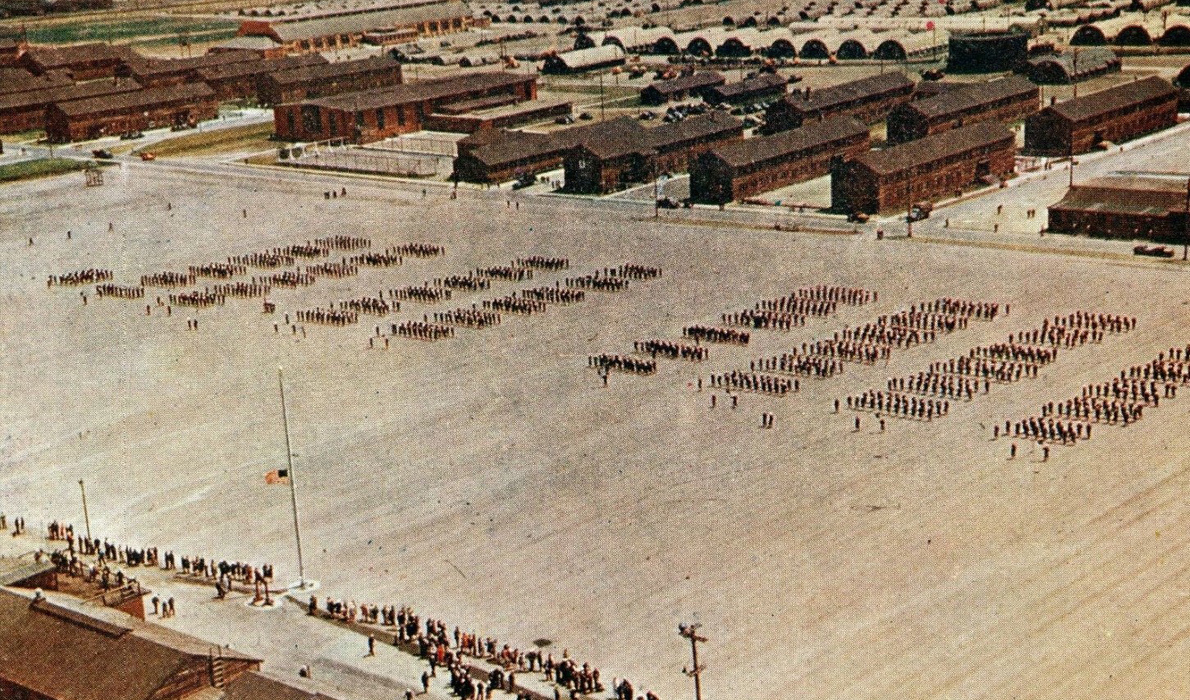
Construction Battalion on the parade ground at Camp Parks in Dublin, California.


Camp Shoemaker: Gateway to the Pacific Fleet
At the heart of Fleet City was Camp Shoemaker in Pleasanton, California, often described as a major personnel crossroads for the Pacific war effort. Service members arriving from across the country passed through Shoemaker to receive assignments, medical evaluations, pay processing, and deployment orders. Many were then sent to staging centers such as Treasure Island or directly to assignments throughout the Pacific.

For countless service members, Camp Shoemaker represented the transition from training to active service. The installation played a critical role in preparing personnel and maintaining the operational strength of the Pacific Fleet during one of the most demanding periods in American military history.


Fleet City and the Port Chicago Connection
Fleet City operated as part of a larger Bay Area wartime network that included:

• Port Chicago Naval Magazine
• Mare Island Naval Shipyard
• Treasure Island Naval Station
• Alameda Naval Air Station

Together, these installations formed a coordinated system that trained, equipped, transported, and supported service members across the Pacific Theater, contributing significantly to Allied victory and honoring the service of those who passed through them.

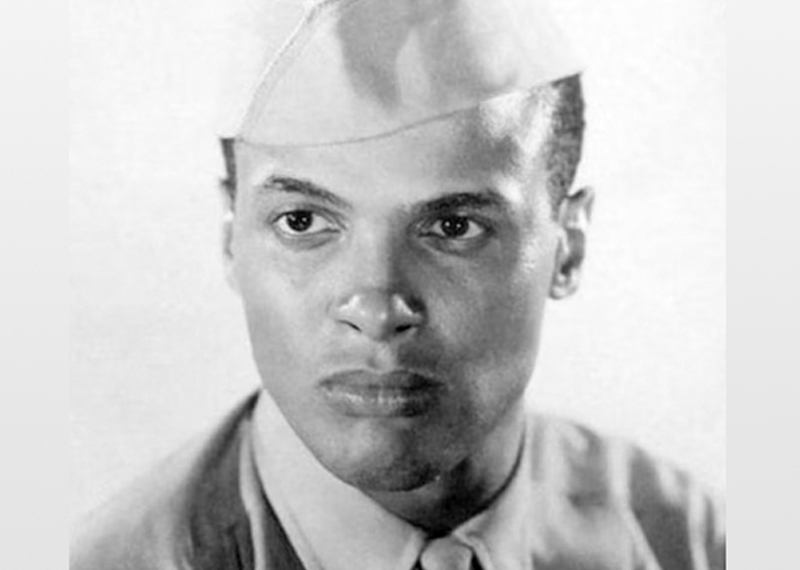
Fleet City also played a pivotal role in the story of Port Chicago and the Sailors whose service shaped America’s World War II legacy. Among those arriving at Fleet City at this time was Seaman Harry Belafonte, who would later achieve prominence as a singer, actor, cultural icon, and civil rights leader. He was assigned to Port Chicago just days before the deadly explosion on July 17, 1944:

  • "We assumed we'd be assigned to various warships as storekeepers, then steam off to south China or Iwo Jima. Instead we arrived to learn we'd be staying right there, in the part of the Fleet City called Port Chicago. We wouldn't be storekeepers at all. We would be loading live munitions onto merchant ships and other warships."
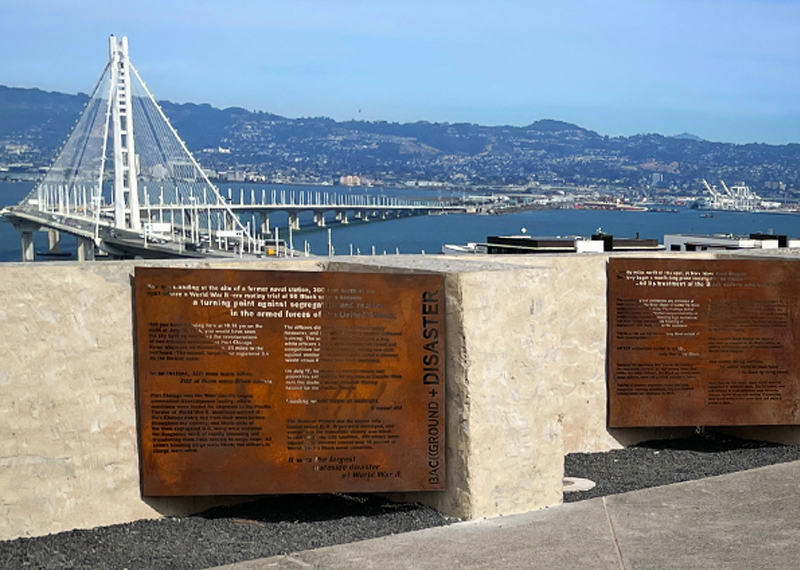
In the aftermath of the Port Chicago disaster, numerous surviving Sailors were transferred to Camp Shoemaker for reassignment, recovery, and continued military service. Among them were the group later known as the Port Chicago 50, whose cases were handled at Camp Shoemaker, where the Navy undertook the processing and legal actions that culminated in their court-martial.

The presence of these Sailors at Fleet City reflects the installation’s important role as a gathering point for service members who served throughout the Pacific Theater. Their time at Fleet City represents another chapter in the story of the thousands of men and women who trained, prepared, and answered the call to serve during World War II.

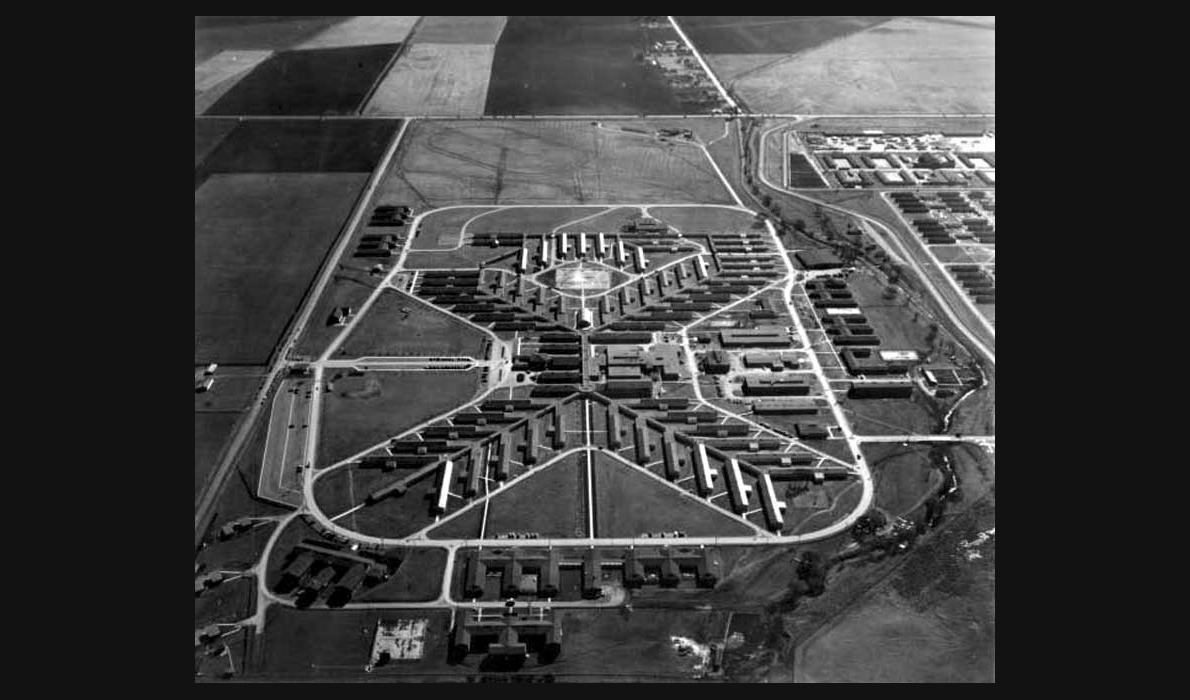
Aerial View of US Naval Hospital Shoemaker, Pleasanton, California


Honoring the Service Members of Fleet City
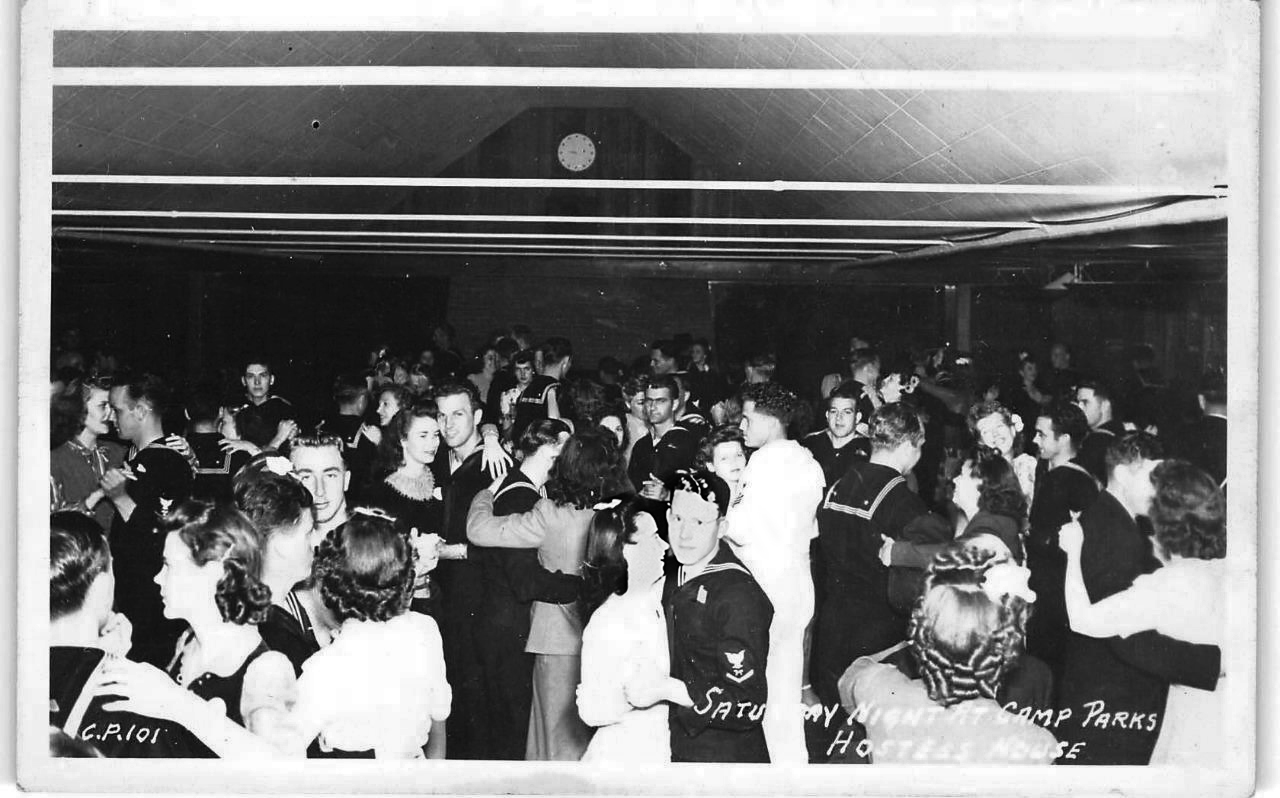
Fleet City was more than a military installation — it was a temporary home for thousands of Americans who answered the call to serve during World War II. Sailors, Seabees, nurses, doctors, and support personnel all contributed to the mission of protecting the nation and supporting Allied victory.

Their work included:

• Constructing vital infrastructure across the Pacific
• Providing medical care to wounded service members
• Preparing and deploying naval personnel to combat and support assignments
• Maintaining the logistical operations that sustained wartime readiness

The dedication and sacrifice of those who served at Fleet City represent an important part of both regional and national history.


The Historical Importance of Fleet City
Although Fleet City’s wartime buildings no longer stand, its historical significance remains substantial. Understanding Fleet City helps illuminate:

• The Bay Area’s central role in supporting the Pacific war effort
• The scale and coordination required to sustain World War II military operations
• The experiences of thousands of service members who passed through the Tri-Valley region during wartime
• The interconnected network of naval installations that included Port Chicago

Fleet City represents how inland communities played a crucial role in supporting global military operations during World War II.


Preserving the Legacy
Today, the land once occupied by Fleet City has been transformed into thriving residential communities, educational campuses, parks, and public spaces. Yet the legacy of wartime service remains deeply connected to the region’s identity.

Through historical research and educational outreach, the Port Chicago Alliance works to preserve and share stories connected to Fleet City and the surrounding Bay Area naval installations. Remembering Fleet City helps honor the service members who trained, worked, and served there while providing a fuller understanding of the region’s World War II heritage.

Though Fleet City itself has faded from the landscape, its impact continues to shape the story of the Tri-Valley, the Bay Area, and the nation’s World War II legacy. ⚑


You may also like

Related posts

Scroll