
July 12, 2026

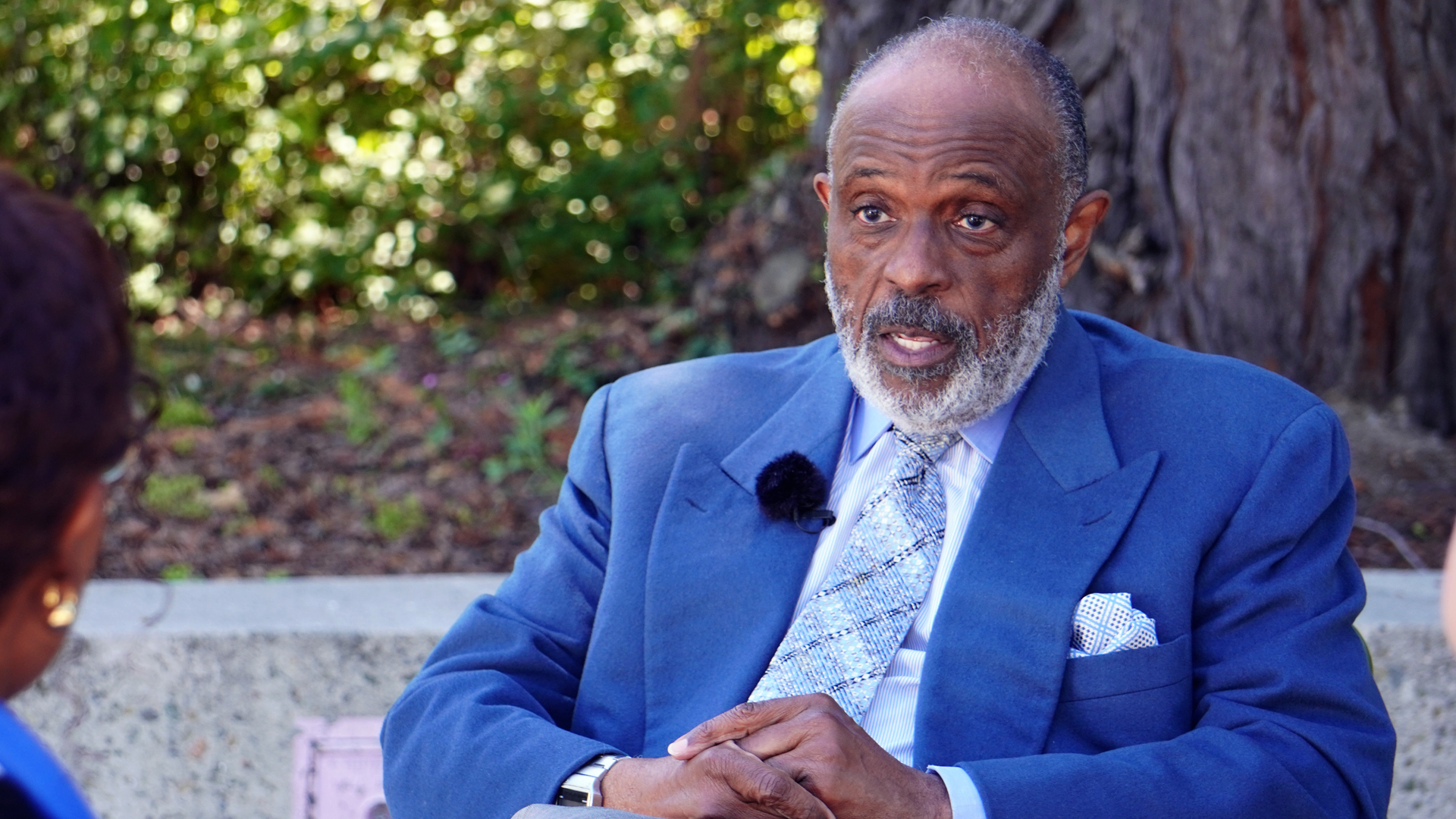
Senator Roderick Wright Receives Inaugural Dr. Robert L. Allen Legacy Award

Oakland, CA – In 1998, California legislator Roderick Wright stood before a gathering at the State Capitol with surviving Port Chicago Sailors in the room and called on the federal government to clear their names. After more than five decades, the men were still waiting for their convictions to be overturned, and Wright stressed that time was running out.

“Present with you this morning are living, breathing historical figures,” Wright told those assembled. “And what’s more, they are still looking for that happy ending. And we don’t have that much time, so we’ve got to move.”

It would take another 26 years.
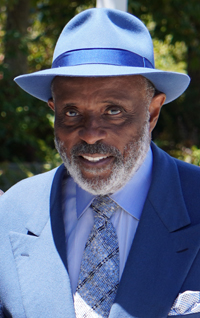
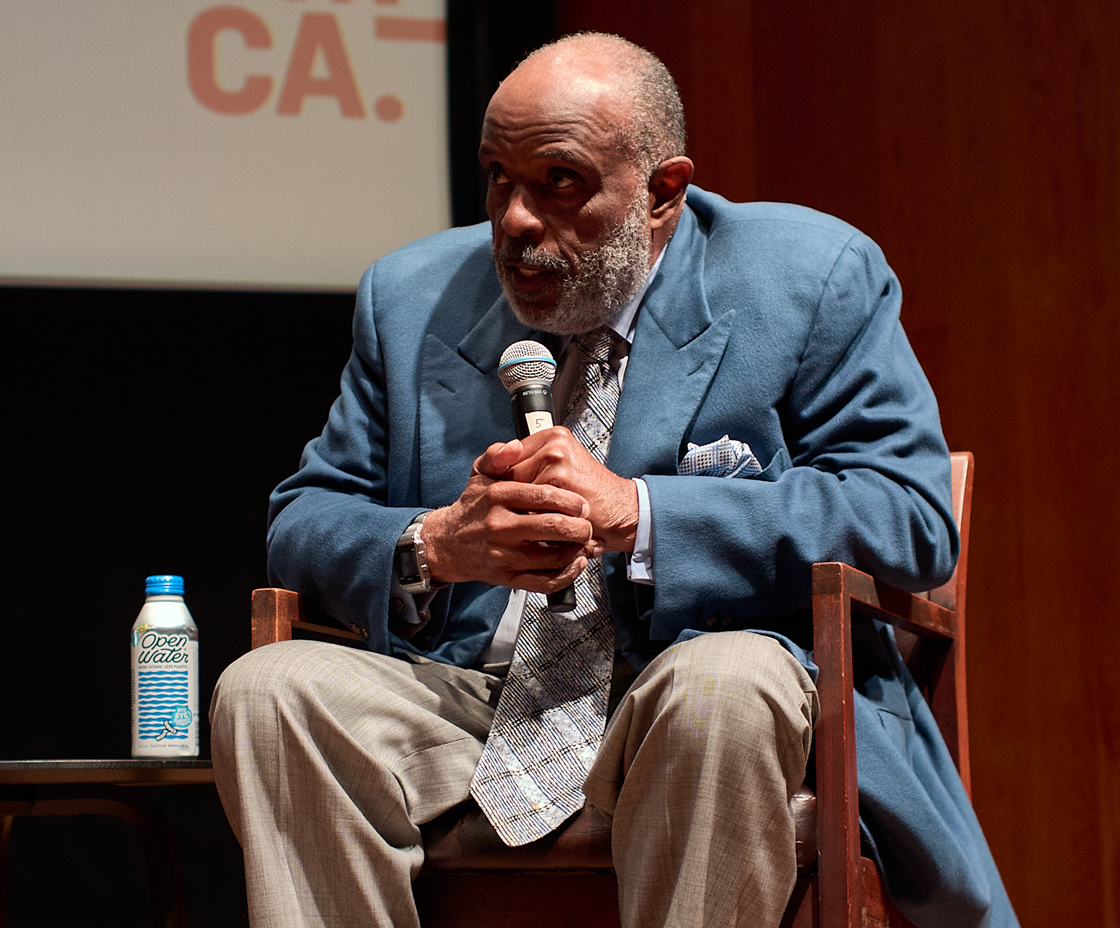
Roderick Wright at Oakland Museum of California, July 11, 2026 In 2024, after eight decades of injustice and generations of advocacy, the U.S. Navy formally exonerated the Port Chicago 50 and the other Sailors convicted following the historic 1944 Port Chicago protest.

On July 11, 2026, Wright’s own role in that long pursuit of justice was formally recognized when the Port Chicago Alliance presented him with the inaugural Dr. Robert L. Allen Legacy Award at the Oakland Museum of California.

The award was presented during Mutiny at Port Chicago: Black Resistance and Redemption, part of the official California 175 commemoration, and recognized Wright’s more than three decades of advocacy on behalf of the Sailors.
A Cause Carried Across Decades
For Roderick Wright, the history of Port Chicago was personal long before he became an elected official.

Wright first learned about Port Chicago as a third grader through a childhood friend whose father, Robert Routh, was a survivor of the 1944 explosion. Routh had been blinded in the disaster, giving Wright an early connection to the human consequences of Port Chicago and to a history that was rarely taught in classrooms or widely known by the public.

Decades later, Wright brought that history with him into public office and became an important political voice for the Port Chicago Sailors at a time when their convictions remained intact and federal exoneration was far from certain.

In 1998, Wright authored Assembly Joint Resolution 52 (AJR 52), calling upon Congress and the President of the United States to vindicate the Sailors unjustly blamed for the Port Chicago disaster, clear those convicted of mutiny, and rectify their mistreatment by the military. The measure placed the California Legislature behind the effort to correct the injustice more than a quarter-century before the Sailors were ultimately exonerated.


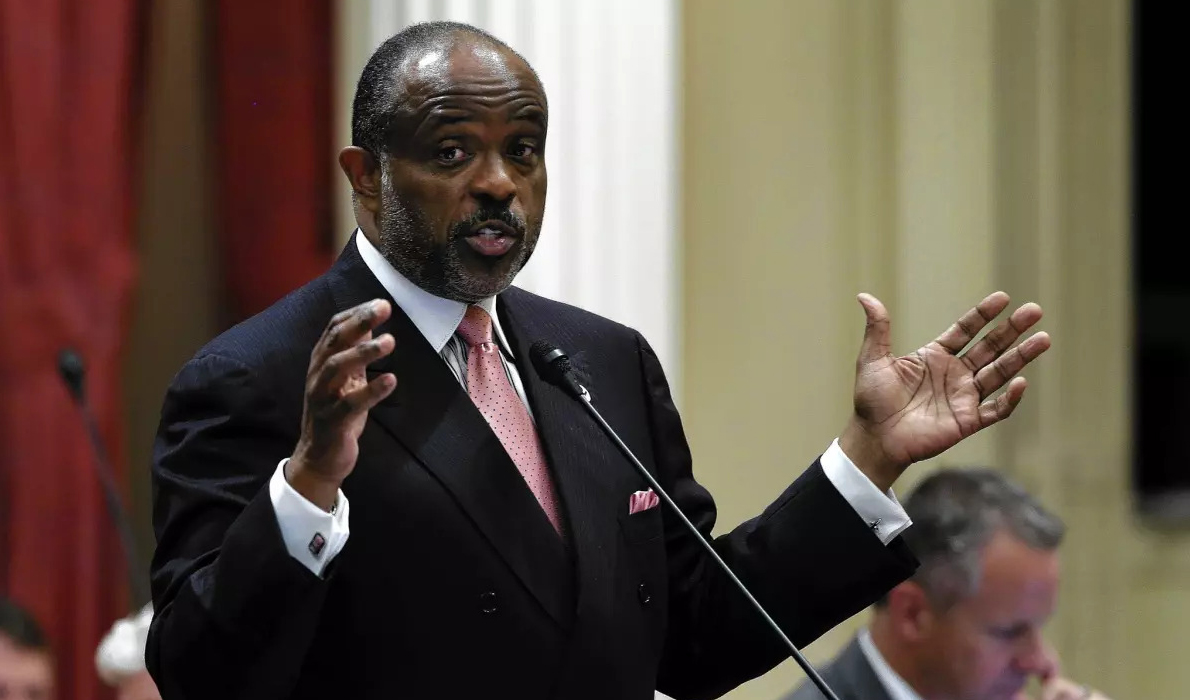
Roderick Wright

Roderick Wright (Rich Pedroncelli / AP)

That same year, on February 23, Wright joined author Dr. Robert L. Allen and activist Sandra Evers-Manly in bringing surviving Port Chicago Sailors to the California State Capitol, where they were honored during the California Black Legislative Caucus’s Black History Month celebration.

The gathering did more than honor the men. With surviving Sailors present, Wright publicly called upon the federal government to act while there was still time to deliver justice in their lifetimes. And he did not let the issue go.

More than a decade later, in 2010, Wright returned to the Legislature with Senate Joint Resolution 21 (SJR 21), renewing California’s call for federal action. The resolution again urged Congress and the President to exonerate the Port Chicago Sailors and rectify their mistreatment by the military.

Together, AJR 52 and SJR 21 demonstrated an unusually sustained legislative commitment to the Sailors’ cause. Across different chambers of the California Legislature and more than a decade apart, Wright repeatedly used his public office to press the federal government to correct an injustice that had already endured for generations.

Fourteen years later, the federal government finally acted.
From Advocacy to Exoneration
Wright’s advocacy was part of a decades-long movement to clear the Sailors’ names. Over the years, the cause was carried forward by surviving Sailors, descendants, historians, attorneys, community advocates, and elected leaders, including U.S. Congressmembers George Miller, Mark DeSaulnier, Barbara Lee, and Ron Dellums, who continued pressing for federal action and exoneration.

In 2024, after generations of advocacy, the U.S. Navy formally exonerated the Port Chicago 50 and all the Sailors convicted following the 1944 protest, clearing their records 80 years after the disaster.

For Wright, it was the outcome he had publicly called for more than a quarter-century earlier.


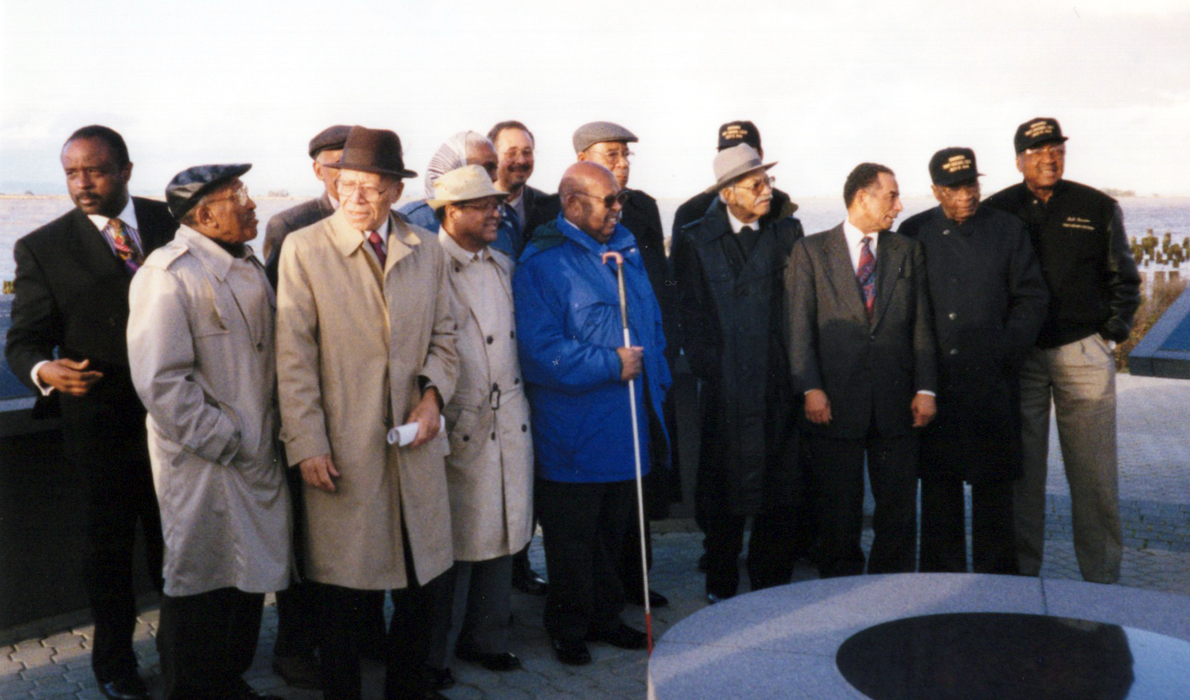
Roderick Wright

Roderick Wright (far left), survivors of the Port Chicago disaster, and Dr. Robert L. Allen. (1998, Courtesy of Janet Carter)

Upon receiving the award, Wright reflected on the importance of continuing to remember the Sailors and share their story:

"I'm certainly proud to see all the people who came to recognize the Sailors. And I hope that you will tell other people about what happened at Port Chicago."
A Full-Circle Moment
There was another significance to Wright receiving the inaugural award. It bears the name of the man who stood beside him and the surviving Sailors at the State Capitol in 1998.

The Dr. Robert L. Allen Legacy Award, established by the Port Chicago Alliance with the support of Allen’s family, honors individuals whose work has advanced the legacy of the Port Chicago Sailors through scholarship, advocacy, public service, historical preservation, or the pursuit of justice.

Nearly three decades after Wright presented Allen with a certificate of recognition from the California Legislature, Wright received an award carrying Allen’s name.

It was a fitting full-circle moment in a story defined by persistence.

"I hope that you will tell other people about what happened at Port Chicago."

— Roderick Wright
July 11, 2026


Dr. Allen helped ensure that America knew what happened to the Port Chicago Sailors. Wright helped insist that knowing the history was not enough — that the government still had an obligation to act.

And when Wright warned in 1998 that there was not much time left, he was right. None of the men who had waited decades for their names to be cleared would live to see the day. But the effort continued. The records were eventually corrected. The convictions were set aside. And the cause carried by the Sailors and generations of advocates became part of the historical record itself.

In honoring Roderick Wright, the inaugural Dr. Robert L. Allen Legacy Award recognized one of the people who helped carry that cause forward — and who refused to accept that the passage of time made justice any less necessary. ✦

Scroll